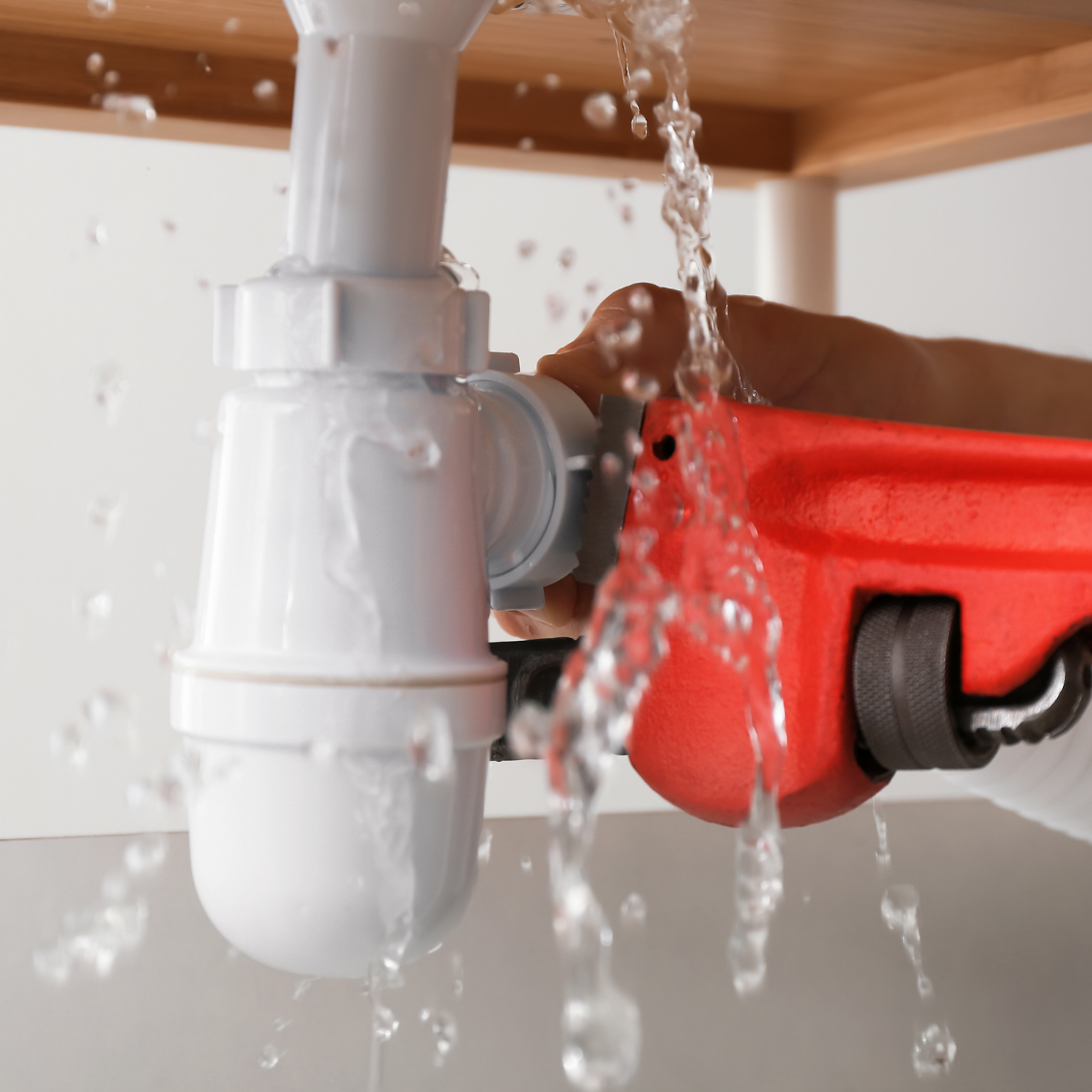
Water is patient. It doesn't announce itself. It seeps quietly behind walls, under slabs, and along aging pipes until one day, your water bill spikes, your floor buckles, or you've got a soggy patch in the yard that never quite dries out.
For homeowners in North Jersey, where older housing stock and fluctuating ground temperatures put stress on water lines, catching a leak early is essential. Still, it's the difference between a service call and a five-figure repair.
Here's how to read the signs before a small problem becomes a big one.
The most reliable early warning system you have is your monthly water bill. If your usage habits haven't changed but your bill has crept up over the past couple of months, that's a red flag worth taking seriously. According to the EPA's WaterSense program, household leaks can waste nearly 10,000 gallons of water per year before homeowners take action.
Pull out your recent water bills and compare them. Even a $15–$20 monthly increase with no clear explanation is worth a closer look.
This one takes about two hours but costs nothing. Find your water meter, which is usually near the curb or in a basement utility area, and take a reading. Then don't use any water in the house for two hours. No flushing, no dishwasher, no quick hand wash. After two hours, check the meter again.
If the numbers changed, water is moving through your system when it shouldn't be. That's a leak until proven otherwise.
Many water utilities, including those serving North Jersey communities, recommend this as a simple first diagnostic step before calling a plumber. It's simple, free, and surprisingly accurate.
Modern leak detection systems can help homeowners catch water issues before they turn into major damage. Devices like the Flo by Moen Smart Water Monitor and Shutoff monitor water usage throughout the home and can detect unusual flow patterns that may indicate a hidden leak.
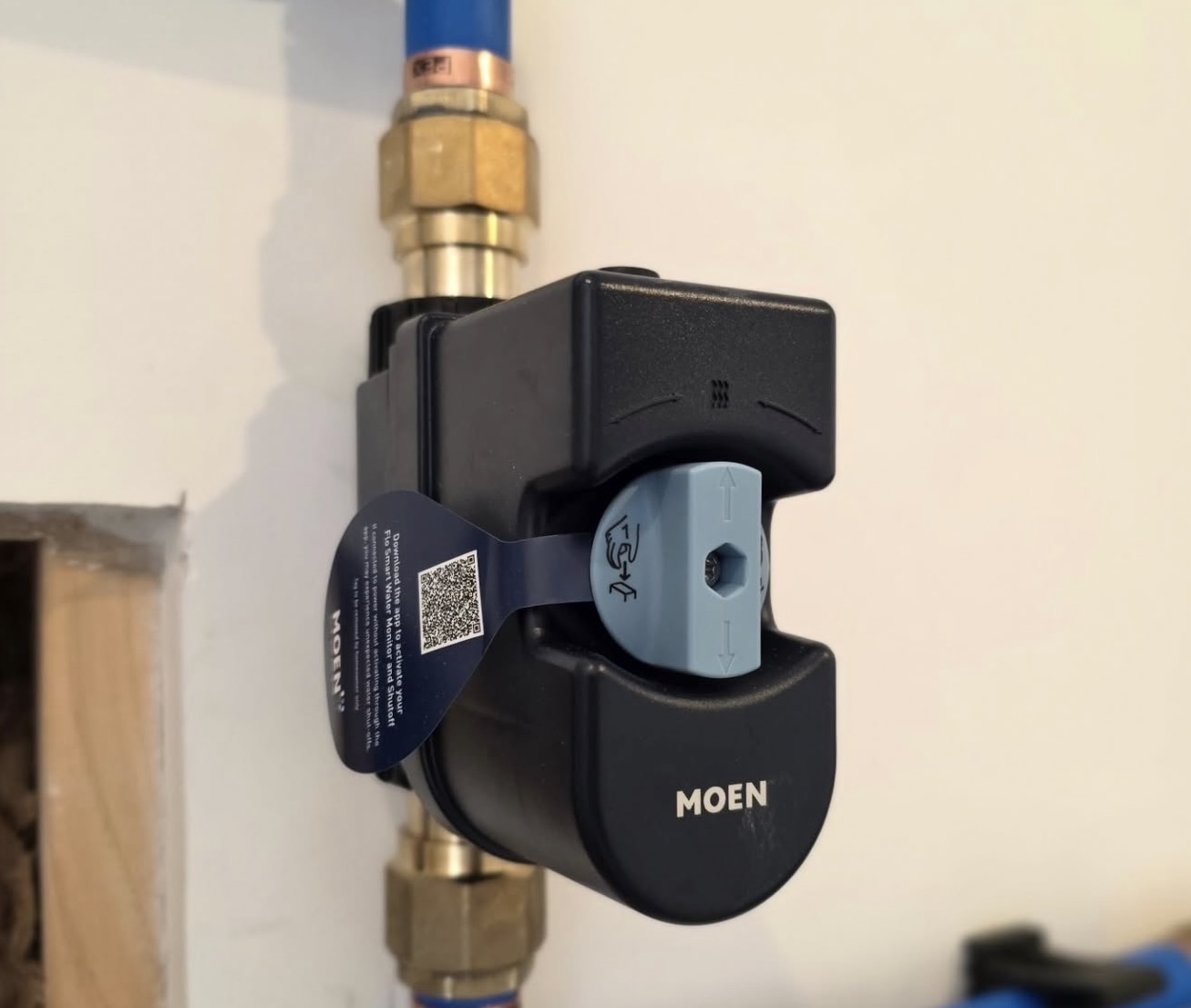
In many cases, these systems can send alerts directly to your phone or automatically shut off the water supply if a major leak is detected. For homeowners in North Jersey, especially in older homes where hidden plumbing issues are more common, smart leak detection adds an extra layer of protection against water damage. When installed properly, they can help homeowners respond to problems earlier and potentially avoid costly repairs.
Water is sneaky, but it always leaves evidence. Walk through your home and yard with fresh eyes and look for:
Wet or unusually green patches in the yard — especially in a straight line from the street to your house, which is the typical path of a main water line. If one strip of your lawn is noticeably lusher or softer than the rest, your underground line may be the reason.
Cracks or settling in your driveway or walkway — water erodes soil, and eroded soil causes surfaces above it to shift and crack.
Water stains on ceilings or walls — yellow-brown rings or bubbling paint indicate moisture that's been sitting for a while.
Mold or mildew smell without a visible source — often the first thing homeowners notice when there's a slow leak inside a wall cavity.
Low water pressure throughout the house — not just at one fixture, but everywhere. This can point to a loss somewhere along the main line.
Not all water line leaks are buried underground. Open the cabinets under your kitchen and bathroom sinks and look for moisture, staining, or soft spots in the cabinet floor. Check the base of toilets, under the washing machine, and behind the refrigerator if it has an ice maker.
These are smaller supply line connections, but they fail regularly, especially in homes with older braided steel or plastic lines. Supply line failures are one of the most common causes of water damage claims in residential properties.
If the house is quiet, late at night or early morning, stand near your main water shut-off and listen. Hissing, dripping, or a faint rushing sound when no water is actively running can indicate pressure escaping somewhere it shouldn't. Trust your ears. Homeowners who catch leaks early often say they heard something "off" before they saw any damage.
If your meter test showed movement, you've got wet spots in the yard, or your water bill is climbing without explanation, don't wait. Water line leaks don't resolve on their own, and every day you delay typically means more water loss, more potential structural damage, and a higher repair cost.
A licensed plumber on our team can run a water test, use leak detection equipment, and pinpoint the problem without tearing up your yard or your walls unnecessarily.
If you're in North Jersey and something doesn't feel right with your water system, give us a call. We offer diagnostic visits and free estimates, and we'd rather help you catch a small issue early than show up after the damage is done. Reach out today, your water line (and your wallet) will thank you.
Visit our contact page or call us at (201) 895-0032 to discuss a plan with you!
References:
United States Environmental Protection Agency. (2017, February 3). Fix a Leak Week | US EPA. US EPA. https://www.epa.gov/watersense/fix-leak-w
Reach out today to see how we can support your plumbing & heating needs.

Get updates on our new articles, straight to your inbox. We email only when a new post is published.