If you've ever noticed a slow drain, a small leak under the sink, or water pressure that just doesn't feel right and thought, “I'll deal with it later,” you're not alone. Here in New Jersey, it's an easy habit to fall into. Older homes, variable municipal water quality, and packed schedules in a competitive state give homeowners plenty of reasons to push minor plumbing concerns down the list.
What starts as a minor inconvenience has a way of becoming a much bigger and more expensive problem. Here's a look at the five most common reasons NJ homeowners delay plumbing repairs, and why waiting almost always costs more in the end.
This is the big one. A slow drip, a toilet that runs a little longer than it should, water pressure that's slightly off, and none of these feel like emergencies, so they get pushed back to deal with.
But small plumbing problems are often early warning signs of larger ones. A slow drain can indicate buildup that's quietly working its way toward a full blockage. A minor leak under the sink may indicate a corroded pipe that's closer to failure than it looks. According to the U.S. Environmental Protection Agency, the average household's leaks can waste nearly 10,000 gallons of water per year and many of those leaks start small enough to ignore.
Catching issues early is almost always cheaper than addressing them after they've had time to worsen. Sometimes it is nothing major, but due diligence to protect your house (and future expenses) & be what helps prevent larger repairs.
Unlike a kitchen upgrade or a fresh coat of paint, plumbing repairs don't change how your home looks or feels once they're done, which makes it genuinely hard to prioritize them, even when you know you should.
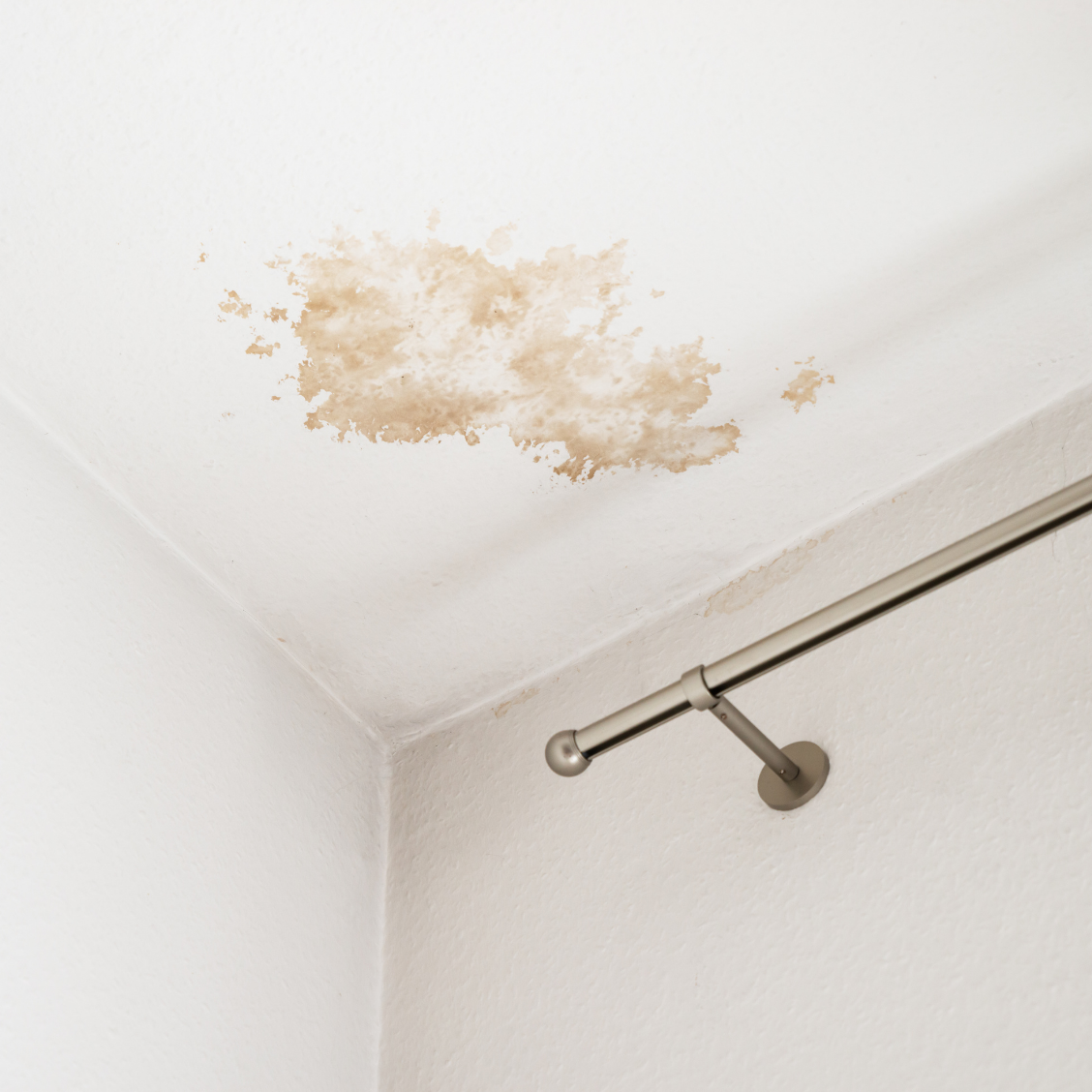
But the math tends to work against waiting. A plumber addressing a small pipe issue today costs a fraction of what remediation, water damage repair, or mold removal costs down the road. The Insurance Information Institute consistently lists water damage among the most common & expensive homeowner insurance claims in the country. Preventive repairs are almost always the more affordable path.
Many homeowners new or old, feel they can delay repairs simply because they're unsure who to contact, what a fair price looks like, or whether the problem is serious enough to warrant a professional. That uncertainty breeds inaction (and more anxiety).
In New Jersey, all plumbing contractors must be licensed by the NJ Division of Consumer Affairs. Verifying a contractor's license before hiring is a straightforward step that protects you and removes a lot of the guesswork. If you're not sure what the problem is, a reputable plumber should be able to walk you through a clear diagnosis and honest estimate before any work begins.
At the very least, you should feel comfortable talking to them over the phone with some questions. Customer service starts before, during, and after a job is scheduled. If you called Water Flow, our team can address some of your concerns & schedule a free water test.
Home improvement content is everywhere, and there's a temptation to handle plumbing issues with a YouTube tutorial and a trip to the hardware store, and at times that’s enough. But plumbing systems are interconnected, and what looks like a simple repair can involve factors like water pressure, pipe age, and existing corrosion that aren't visible without the right tools and training.
This matters more in New Jersey than in many other states. Much of the Garden State's residential housing stock was built mid-century, and older homes often have galvanized steel or even lead service lines that require careful handling. A good reminder that plumbing issues, especially in North Jersey, sometimes carry health implications beyond the obvious.
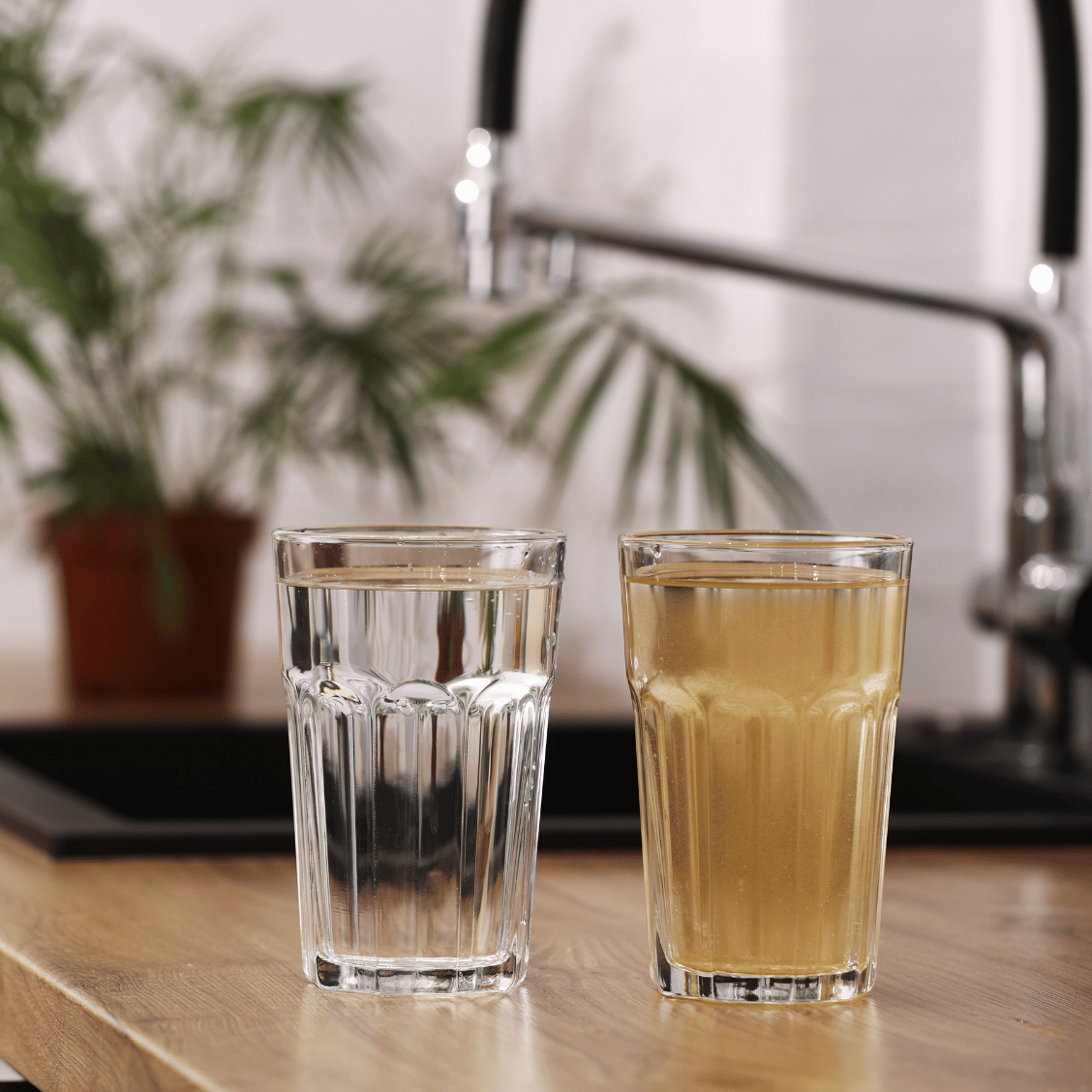
This one surprises a lot of homeowners. Discolored water, an unusual taste or odor, or visible sediment at the tap are often written off as temporary quirks or worse, just accepted as normal.
Water quality problems can stem from issues within your home's plumbing (aging pipes, leaching sediment or minerals) or from the municipal supply itself. Either way, they don't resolve without intervention. Left unaddressed, poor water quality can damage appliances, affect your household's health, and signal underlying pipe deterioration that's only getting worse.
If you've noticed changes in your water, that's a conversation worth having with a professional sooner rather than later.
Delaying plumbing repairs is understandable: life is busy, costs add up, and it's easy to assume things will hold a little longer. But the pattern almost always leads to the same place: a bigger problem, a higher bill, and sometimes damage that could have been avoided entirely.
Whether your home is newly purchased or has been in the family for decades, staying ahead of plumbing issues is one of the most cost-effective things you can do as a homeowner.
Think something might be off with your plumbing or water quality? Contact us today to schedule a professional plumbing inspection. Our team serves homeowners across North Jersey and can help you identify issues before they become emergencies and give you honest answers about what, if anything, needs attention.
Visit our contact page or call us at (201) 895-0032 to discuss a plan with you!
References:
Insurance Information Institute. (2019). Facts + Statistics: Homeowners and renters insurance | III. Iii.Org. https://bit.ly/47SR2O2
New Jersey Division of Consumer Affairs. (2026). New Jersey Division of Consumer Affairs. Njconsumeraffairs.Gov. https://www.njconsumeraffairs.gov/ United States Environmental
Protection Agency. (2017, February 3). Fix a Leak Week | US EPA. US EPA. https://www.epa.gov/watersense/fix-leak-week
Reach out today to see how we can support your plumbing & heating needs.

Get updates on our new articles, straight to your inbox. We email only when a new post is published.