Water in northern New Jersey has its own personality. It travels through dense municipal infrastructure, older plumbing networks, and in many areas carries moderate mineral hardness from regional groundwater sources. Because of this, homeowners researching filtration often encounter two common types: scale and carbon filters.
Understanding how each works helps homeowners choose a water system that actually addresses the conditions common across Morris, Passaic, and Bergen County homes.
At a simple level, carbon filters improve taste and remove chemicals, while scale filters help prevent mineral buildup that damages plumbing and appliances. For many North Jersey homes, the most effective solution is not choosing one system over the other but understanding which one is more ideal.
Carbon filtration is one of the most widely used water treatment technologies in residential plumbing systems. It works through a process called adsorption, where contaminants attach to the surface of activated carbon as water flows through the filter.

Activated carbon is extremely porous and contains a massive surface area capable of trapping impurities. Because municipal water systems rely heavily on disinfectants, carbon filtration is especially effective for improving tap water quality in New Jersey homes.
Carbon filters are known for removing chlorine, chloramine, volatile organic compounds (VOCs), pesticides, and many chemicals responsible for unpleasant taste and odor. In treated municipal water, chlorine is the most noticeable contaminant, often creating the “pool water” flavor many homeowners experience at the tap.
Many carbon filters also capture fine sediment and some heavy metals, depending on the filter design. High-quality carbon blocks can filter particles as small as roughly 0.5 microns, which helps improve overall water clarity and drinking quality.
However, carbon filtration has an important limitation. It does not remove dissolved minerals like calcium and magnesium. These minerals are responsible for hard water and the scale deposits that build up on faucets, heating elements, and inside appliances. In other words, carbon filtration improves drinking water quality but does not solve mineral scaling problems in plumbing systems.
Scale filters focus on a completely different challenge: mineral hardness.
Hard water contains dissolved calcium and magnesium. When heated or pressurized inside pipes, these minerals crystallize and form limescale, a chalky buildup that can coat pipes, clog fixtures, and reduce the efficiency of water-using appliances.
Scale filtration systems, often called scale inhibitors, work by changing how these minerals behave in water. Instead of bonding to surfaces, the minerals stay suspended in the water and pass through the plumbing system without forming hard deposits.

Preventing scale buildup is especially important for homes in northern New Jersey, where mineral hardness levels can vary widely depending on the local water source. Even moderate hardness can gradually reduce efficiency inside equipment like water heaters or dishwashers.
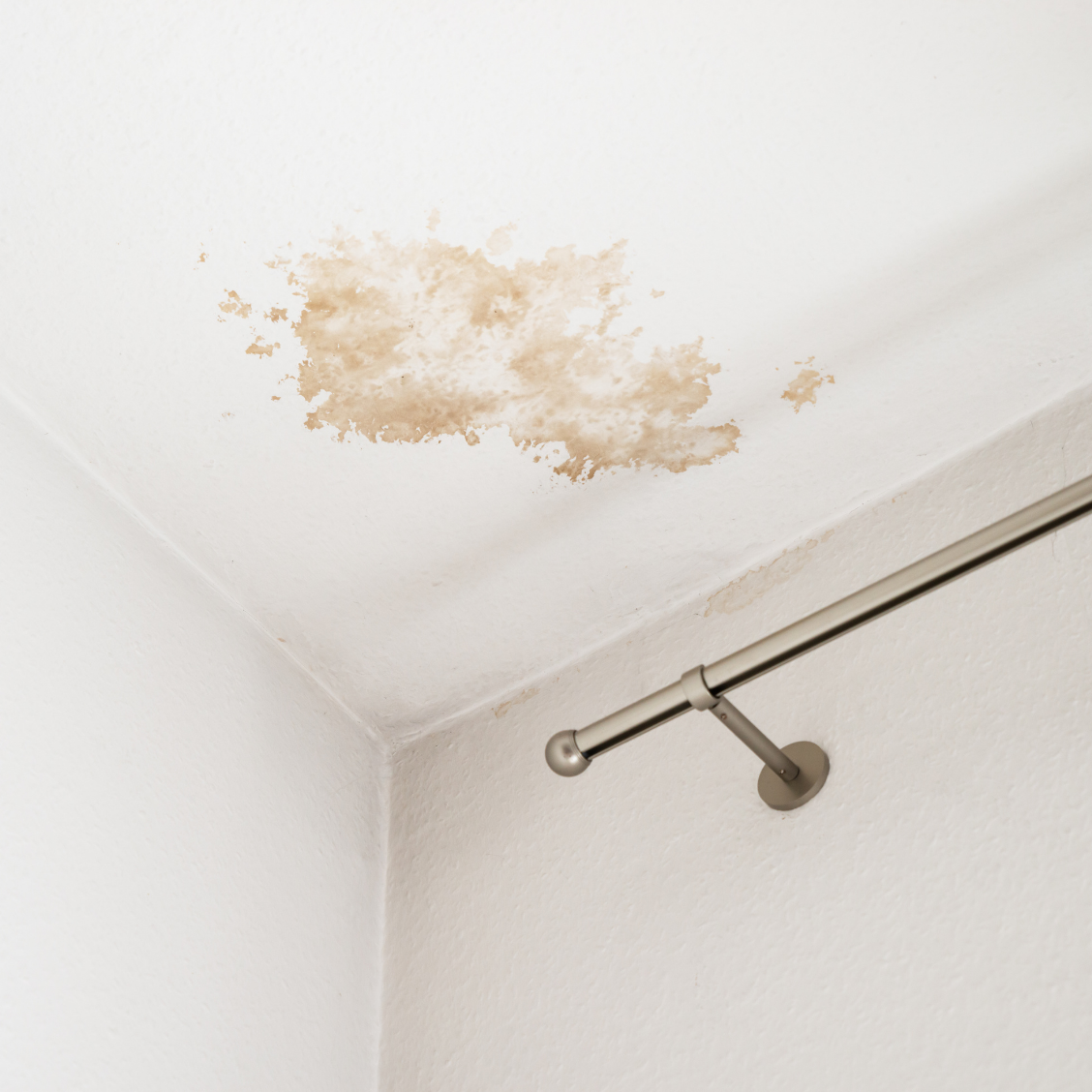
When scale forms inside plumbing systems, it acts like insulation. Heating elements must work harder to warm water, pumps experience more resistance, and appliances often wear out faster. Over time, this can increase energy costs and maintenance needs.
By preventing mineral buildup, scale filters help protect water heaters, dishwashers, coffee machines, reverse osmosis systems, and household plumbing fixtures.
Although both systems improve water quality, their purpose is very different.
Carbon filters focus on removing chemical contaminants and improving taste. They target disinfectants, organic compounds, and substances that affect drinking water quality.
Scale filters focus on mineral control. Instead of removing chemicals, they prevent calcium and magnesium from forming the stubborn deposits that damage pipes and appliances.
Because they address different problems, one system rarely replaces the other. A home with chlorine-heavy municipal water may benefit from carbon filtration, while a home with mineral-rich water will see greater benefits from scale prevention.
Homes across North Jersey frequently deal with two conditions at once: treated municipal water containing chlorine and moderate mineral hardness that contributes to scaling.
This is why many plumbers recommend multi-stage water filtration systems.
In a typical setup, water first passes through a carbon filter that removes chlorine and chemical contaminants. After that, an anti-scale filter or conditioning system helps prevent mineral deposits throughout the plumbing system. Additional filtration, such as reverse osmosis, may be added at a kitchen sink to further improve drinking water purity.
Installing filtration in stages allows homeowners to address both major water concerns for better-tasting water and reduced mineral buildup in appliances.
There is no single “best” system for every home. The right solution depends entirely on local water conditions and the problem you want to solve.
If your main concern is chlorine taste, odor, or chemical contaminants, a carbon filter can dramatically improve drinking water quality.
If your home experiences white mineral buildup on faucets, frequent appliance scaling, or reduced water heater efficiency, a scale filter will deliver the greatest benefit.
However, many North Jersey homes experience both issues simultaneously. In those cases, combining carbon filtration with scale prevention typically provides the most complete water treatment solution.
Scale filters and carbon filters are often confused, but they serve different roles in a home water system. Carbon filtration improves drinking water quality by removing chlorine and chemical contaminants. Scale filtration protects plumbing and appliances by preventing mineral buildup from hard water.
For many homeowners in northern New Jersey, the most effective approach is a multi-stage system that uses both technologies together. When properly installed, this setup can improve water taste, extend appliance lifespan, and reduce long-term plumbing maintenance.
Understanding your local water conditions and choosing the filtration system can make a significant difference in your water quality and the long-term health of your plumbing system.
Visit our contact page or call us at (201) 895-0032 to see which filter is ideal for you.
References:
Hussain, C. M., Verma, C., Aslam, J., Aslam, R., & Zehra, S. (2023). Corrosion management using computational simulations. Handbook of Corrosion Engineering, 399–423. https://doi.org/10.1016/b978-0-323-95185-2.00028-9
U.S. Environmental Protection Agency. (n.d.). Drinking water regulations and contaminant standards. https://www.epa.gov/dwstandardsregulations
Reach out today to see how we can support your plumbing & heating needs.

Get updates on our new articles, straight to your inbox. We email only when a new post is published.